
01China
Yunnan, on the Tea Horse Road
- Destination
- Dali, Shaxi & Lijiang
- Duration
- 10 days
- Travel style
- Culture & heritage, Nature & landscapes, Private journey
- Guide price
- By quotation
Three old towns, one ancient caravan road and the lake light of Erhai.
From Dali to Lijiang by way of Shaxi over 10 days, following the caravan road that carried Yunnan’s tea towards Tibet, with a private guide and a courtyard to return to in each town.
Along the way
- 01A private guide who reads Bai architecture and market produce with equal fluency
- 02Three nights in Dali, two in Shaxi and four in Lijiang
- 03Shaxi’s caravan square, timed where the dates allow to its Friday market
- 04Baisha’s Ming murals and the Naxi villages beyond Lijiang’s lanterns
03
The itinerary
- 01
Days 1–2
Erhai, from the water’s edge
Dali receives you with the lake on one side and the Cangshan range on the other. The first evening is kept for the courtyard and a Bai dinner; the next morning your guide leads along the eastern shore, where the fishing villages face the mountains across the water. Lunch is chosen by what the market has that day, and the afternoon returns to the lake as the light lengthens.
Discuss this chapter - 02
Day 3
Xizhou and the painted courtyards
Xizhou is the Bai town of merchants, and its courtyard houses show it: white walls washed with ink paintings, carved gates and a market at full voice since dawn. The morning is spent among them with your guide; the afternoon follows one thread further, to the indigo vats of Zhoucheng or a tea table above the lake, before an early return for the evening.
Discuss this chapter - 03
Days 4–5
Shaxi, the caravan square
The road to Shaxi takes a morning and leaves the afternoon for Sideng square, where the caravans once unloaded and the old stage still faces the temple across the cobbles. Two nights allow a valley walk the following day, on paths between the paddies to villages that see few visitors, with a long lunch on return. Where the dates fall on a Friday, the market fills the square from early morning.
Discuss this chapter - 04
Days 6–7
Lijiang, beyond the lanterns
Lijiang’s old town is best read early, before the shops open, when the canals and stone bridges have it to themselves. Your guide explains the Naxi houses and the water that runs through every lane, then leads out to Shuhe and its quieter streets. Dinner on the second evening can be a simple Naxi table or something arranged in advance, with Jade Dragon Snow Mountain catching the last light above the roofs.
Discuss this chapter - 05
Days 8–9
Baisha and the mountain
One day goes to Baisha, where the Ming murals survive in the temple halls and the village keeps to its own pace, with a walk through the fields towards the foot of the mountain. The other is left open on purpose: a higher excursion on the flanks of Jade Dragon, taken with the altitude in mind, or a slower morning and an afternoon at a tea house in the old town.
Discuss this chapter - 06
Day 10
The road onward
After a last breakfast in the courtyard, a private transfer meets the onward flight or train. The journey joins naturally to Shanghai and the Bund, to Beijing, or to Hong Kong and its harbour, where the house’s addresses receive you as a preferred guest. Those with more time continue north to Shangri-La, where the road climbs towards Tibet.
Discuss this chapter
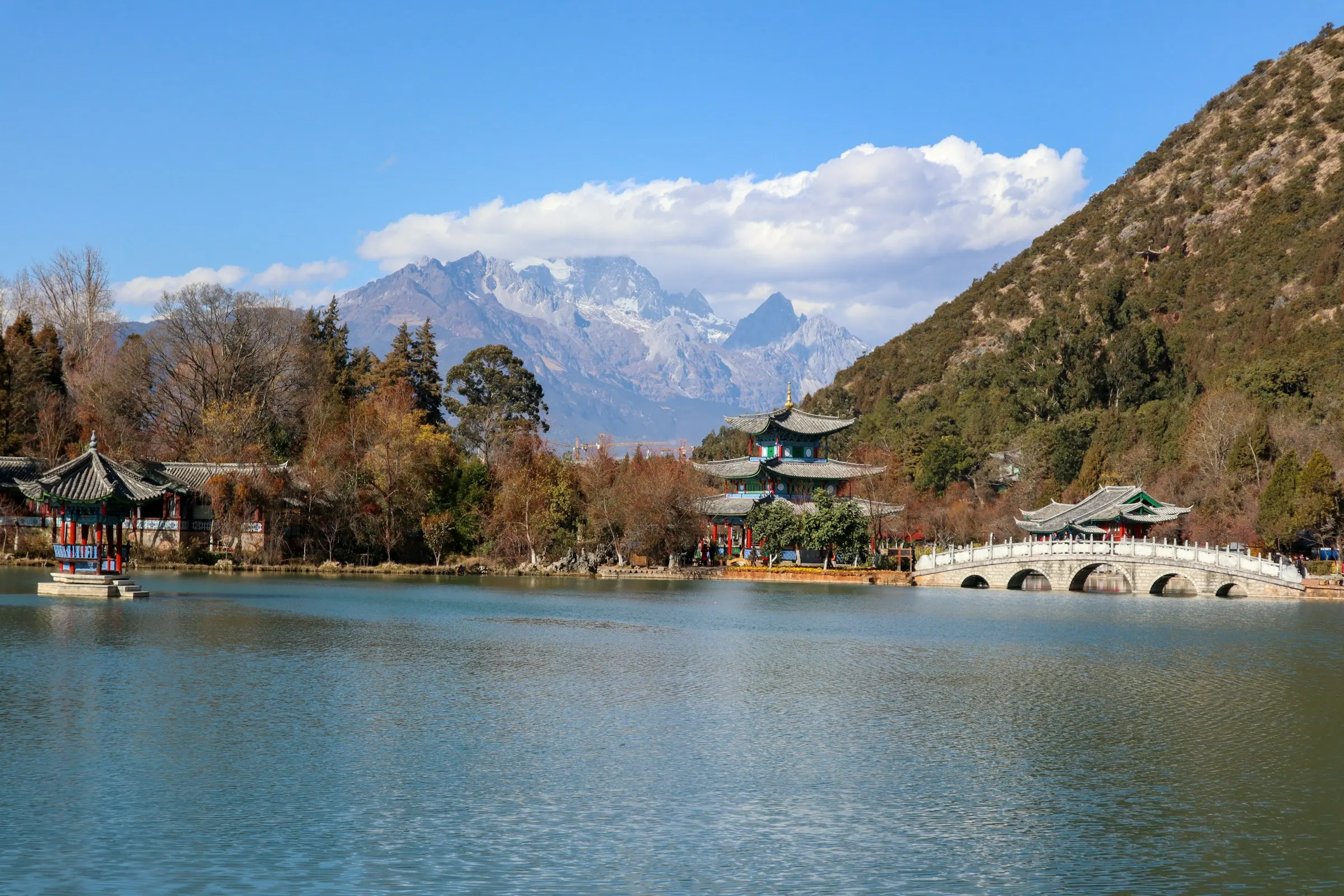
For centuries the caravans carried tea north from Yunnan towards Tibet, and the towns they rested in are still there: Dali, on the long water of Erhai beneath the Cangshan range; Shaxi, whose Sideng square survives from the caravan days; and Lijiang, where canals thread the Naxi old town beneath Jade Dragon Snow Mountain. This journey follows their road in their order, and something of their pace. Mornings belong to the Bai villages around the lake, where the courtyard houses of Xizhou are washed with ink paintings and the market is busiest before nine. A Friday in Shaxi brings the farmers down from the valleys to the square. In Lijiang the guide leads away from the lanterns to Baisha and its Ming murals, and out to the villages where the mountain begins. The road asks for all 10 days, and rewards them.
To your measure
The route can lean towards any of its three towns. Photographers take the extra nights around Erhai, where the light on the water is best before eight and after five; those travelling for craft spend a morning with the indigo dyers of Zhoucheng or the woodcarvers of Jianchuan; those for whom the mountain is the point add a day beneath Jade Dragon, with the altitude taken into account in the sequence. Higher excursions remain a separate decision, made with your guide on the day. Yunnan also pairs naturally with a city before or after, in Shanghai, Beijing or Hong Kong.
Confirmed in writing
This journey is an illustration rather than a fixed departure. The written proposal confirms the dates, the addresses, the guides, the transport, the tables and the appointments, together with the price; each is arranged for the season and subject to availability and local conditions.
04
What is included
- 01A personal itinerary with a written quotation for the addresses, private transport, guiding, dining and experiences it contains.
- 02Only what the proposal lists is included; flights, visas, insurance and personal expenses appear where they are expressly written in.
05
Scenes from the route
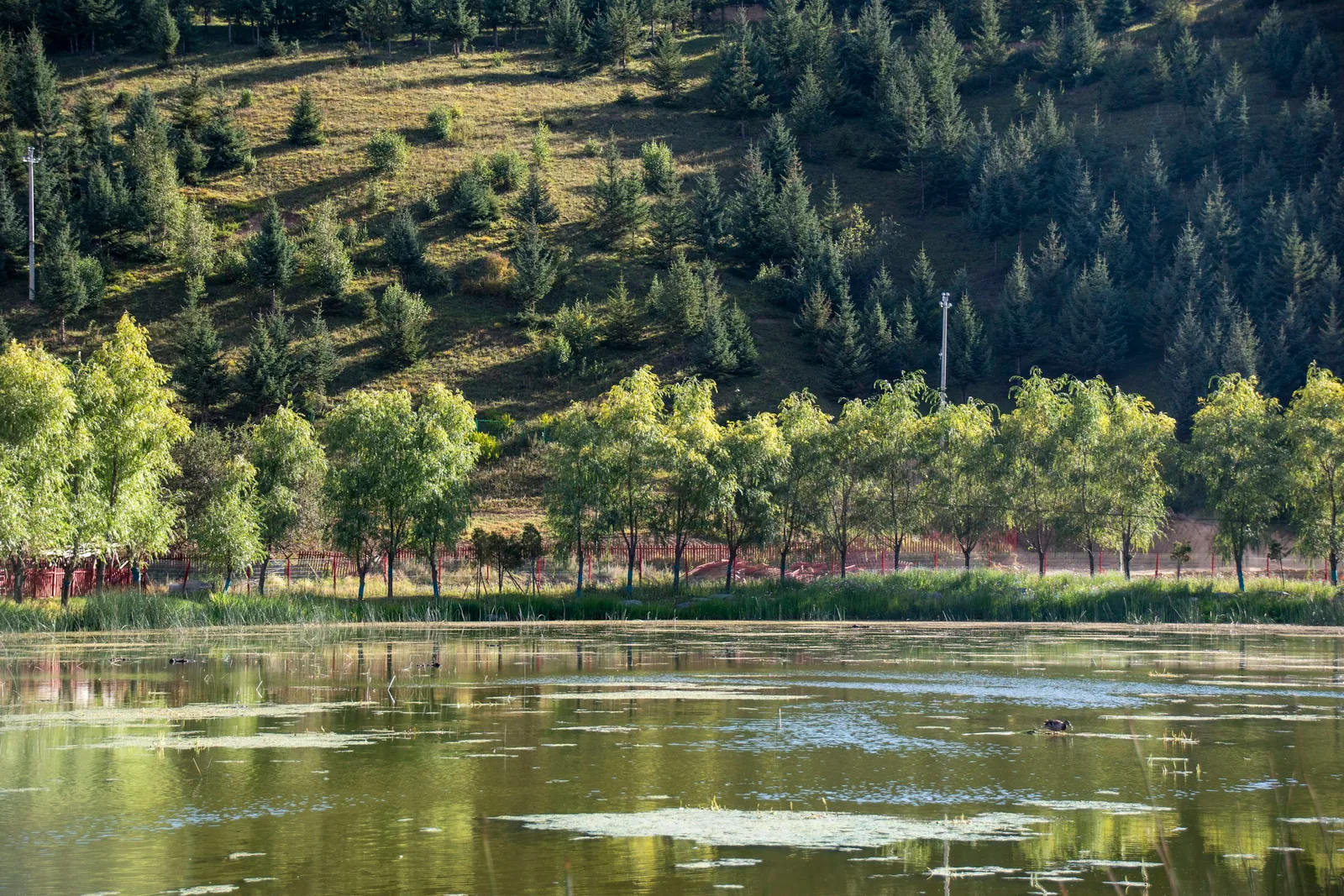
Dali, Shaxi & Lijiang: a bearing for your own route.
06
Further journeys
 01
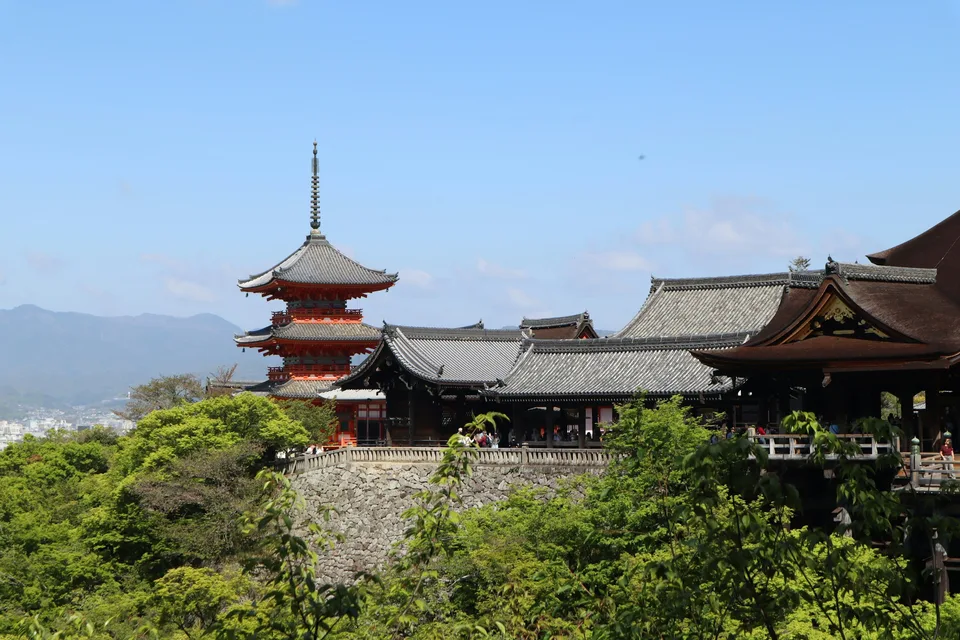
01Japan, closely observed
Tokyo, Hakone & Kyoto · 11 days
Tokyo by the neighbourhood, Hakone from the bath, Kyoto by the garden.
 02
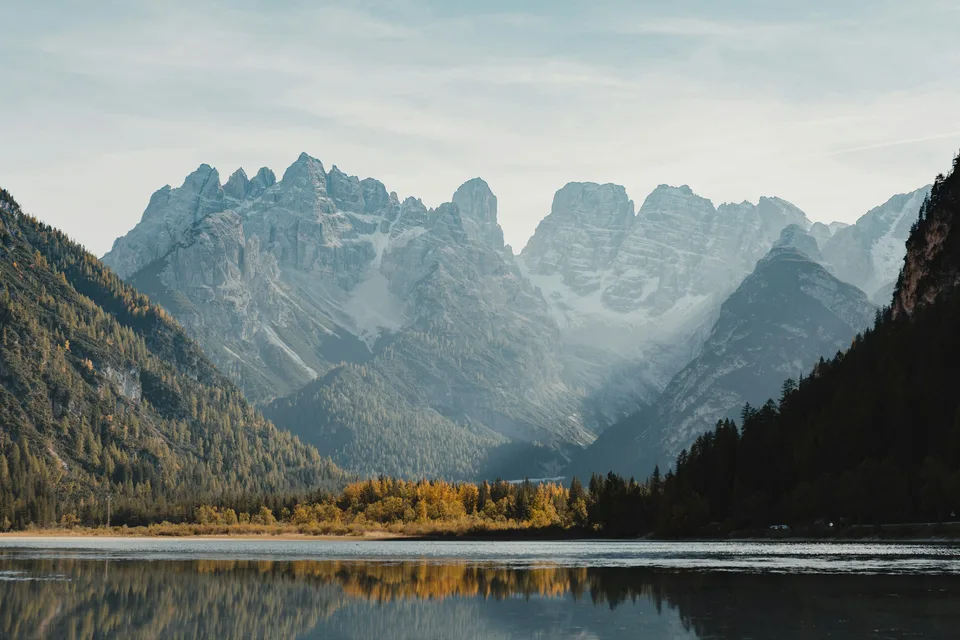
02Venice, then the Dolomites
Venice & the Italian Dolomites · 8 days
Three nights on the water, four at the tree line, one road between.
 03
03The medina and the mountain
Marrakech & the Atlas Mountains · 7 days
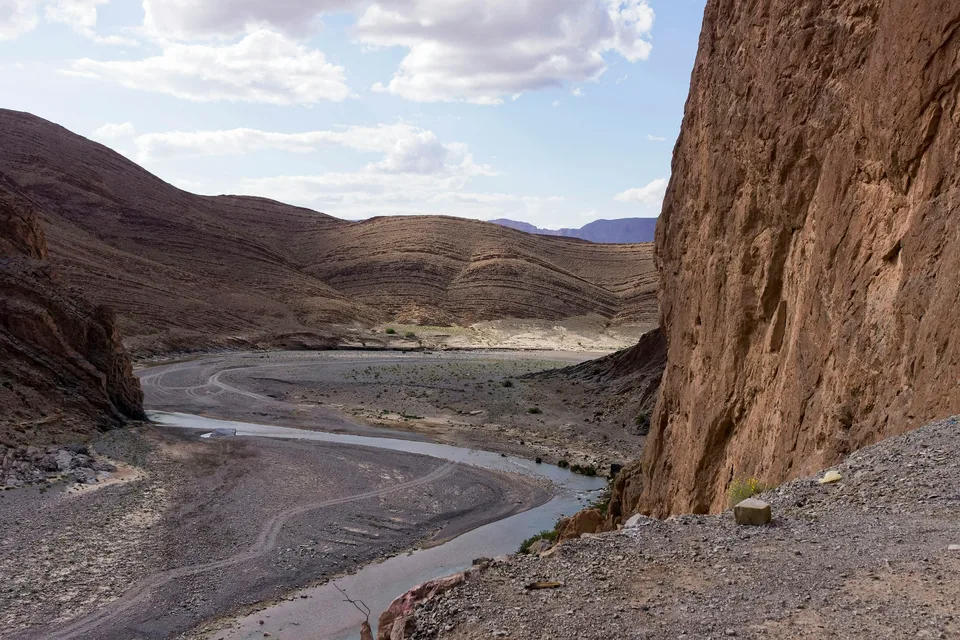
Three nights among the makers of Marrakech, three in the silence of the Atlas.
The route is yours to set.
One of the five routes, a chapter that caught your eye or a country you have long meant to see properly is enough to begin. The reply comes from an advisor, and a written proposal follows once the idea has taken shape.