
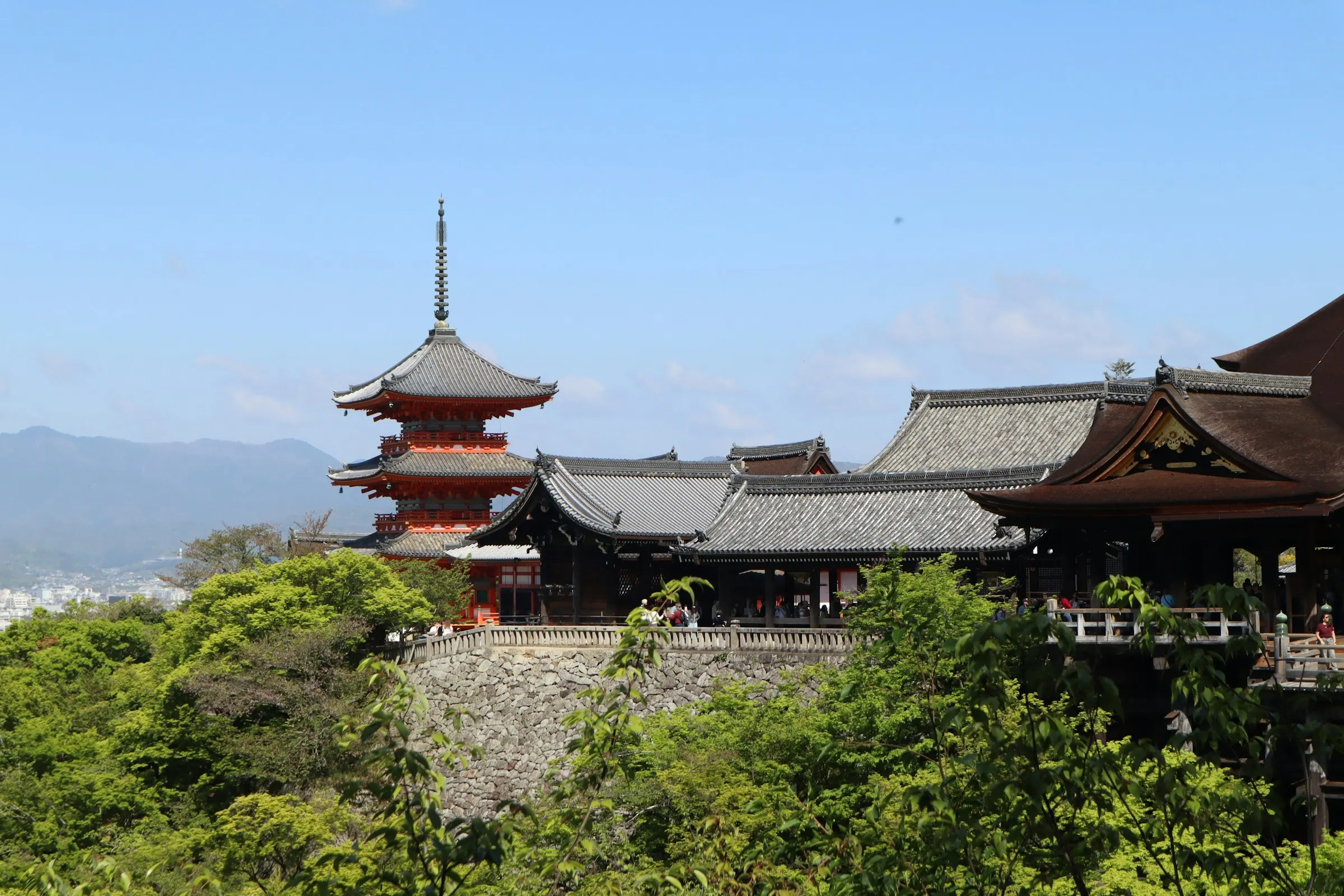
01Japan
Japan, closely observed
- Destination
- Tokyo, Hakone & Kyoto
- Duration
- 11 days
- Travel style
- Culture & heritage, Food & wine, Private journey
- Guide price
- By quotation
Tokyo by the neighbourhood, Hakone from the bath, Kyoto by the garden.
Tokyo taken one neighbourhood at a time, two nights of ryokan hospitality in Hakone and Kyoto given the slow attention its gardens, counters and workshops repay, over 11 days with a private guide.
Along the way
- 01Tokyo taken by district, from Yanaka’s wooden streets to Aoyama’s galleries
- 02Two nights at a Hakone ryokan, with kaiseki and the outdoor bath
- 03Kyoto’s gardens before the crowds and its workshops in the afternoon
- 04Rail seats, luggage forwarding and every table arranged before you land
03
The itinerary
- 01
Days 1–3
Tokyo, by district
The first evening is a short walk and a counter near the hotel. The next morning your guide takes one district at a time: Yanaka’s temples and wooden shopfronts, or Aoyama’s galleries and the quiet streets behind Omotesando, with lunch at a counter of a dozen seats. The third day follows your own thread, a knife maker, a bookshop, a kissaten, with dinner reserved where the season is on the menu.
Discuss this chapter - 02
Days 4–5
Hakone, the pause
The train reaches Hakone by lunchtime, and the ryokan takes over from there: a room of tatami and paper, the outdoor bath under the cedars, dinner served course by course in the room. The full day is given to the Open-Air Museum, where sculpture stands in the hills, or to Lake Ashi and its shrine gate on the water, with a return early enough to bathe again before dinner.
Discuss this chapter - 03
Day 6
West, by the fast train
Luggage travels ahead, so the move to Kyoto is a light one: the shinkansen from Odawara, a reserved seat on the side that faces Fuji on a clear morning and lunch on arrival. The afternoon is left for settling in and a first walk along the Kamo river, with dinner near the hotel and nothing else asked of the day.
Discuss this chapter - 04
Days 7–8
Kyoto, before the crowds
Kyoto’s gardens are at their best in the first hour, and the guide plans around it: the moss and stone of Higashiyama’s temples, then the walk down through Ninenzaka before the shops open, with lunch at a counter in Nishiki Market. The second day belongs to craft, a potter’s or a dyer’s workshop by appointment, and an evening at a counter where the cook chooses.
Discuss this chapter - 05
Days 9–10
Deeper, or further
The last two full days are weighted to the traveller: another district of Kyoto, with Arashiyama’s bamboo and river before nine and a temple garden after, or a day out to Nara, where the deer walk the park and the great Buddha sits in its wooden hall. Those who came for tea take the train to Uji; those who came for gardens may prefer a second morning among them.
Discuss this chapter - 06
Day 11
A departure to suit the route
A private transfer meets the onward train or flight from Kansai or Osaka, timed to the day. Those with more time return to Tokyo by the same fast train, continue west to the art islands of Naoshima or go north into the mountains, where the journey takes on another character entirely.
Discuss this chapter
Japan rewards the traveller who looks twice, and this journey is built to allow it. Tokyo is approached by district rather than by list: the galleries and back streets of Aoyama, the temple quarter of Yanaka where the city still keeps its wooden houses, the outer market at Tsukiji before the counters fill. The pace changes at Hakone, where a ryokan supplies the evening entirely, from the kaiseki courses to the outdoor bath under the cedars, and the following day is given to the Open-Air Museum or Lake Ashi. Kyoto is the second half, and the half most people cut short. Here the mornings go to the gardens of Higashiyama and Arashiyama before the crowds, the afternoons to a potter’s or a dyer’s workshop, and the evenings to a table chosen for the season: hamo in summer, matsutake in autumn, when the maples make the city its most beautiful.
To your measure
The balance between the three is easily shifted. An extra night in Tokyo suits those with a list of counters to work through; Kyoto extends gracefully to Nara for the great bronze Buddha, or to Uji for tea. For the ryokan, the choice of bedding, bath and dining is discussed before the property is chosen. Park Hyatt Kyoto, beside Ninenzaka in Higashiyama, is the address we would propose in the city, and the rail seats, station transfers and luggage forwarding are arranged so that the move west is simply a good lunch on a fast train.
Confirmed in writing
This journey is an illustration rather than a fixed departure. The written proposal confirms the dates, the addresses, the guides, the transport, the tables and the appointments, together with the price; each is arranged for the season and subject to availability and local conditions.
04
What is included
- 01A personal itinerary with a written quotation for the addresses, private transport, guiding, dining and experiences it contains.
- 02Only what the proposal lists is included; flights, visas, insurance and personal expenses appear where they are expressly written in.
05
Scenes from the route
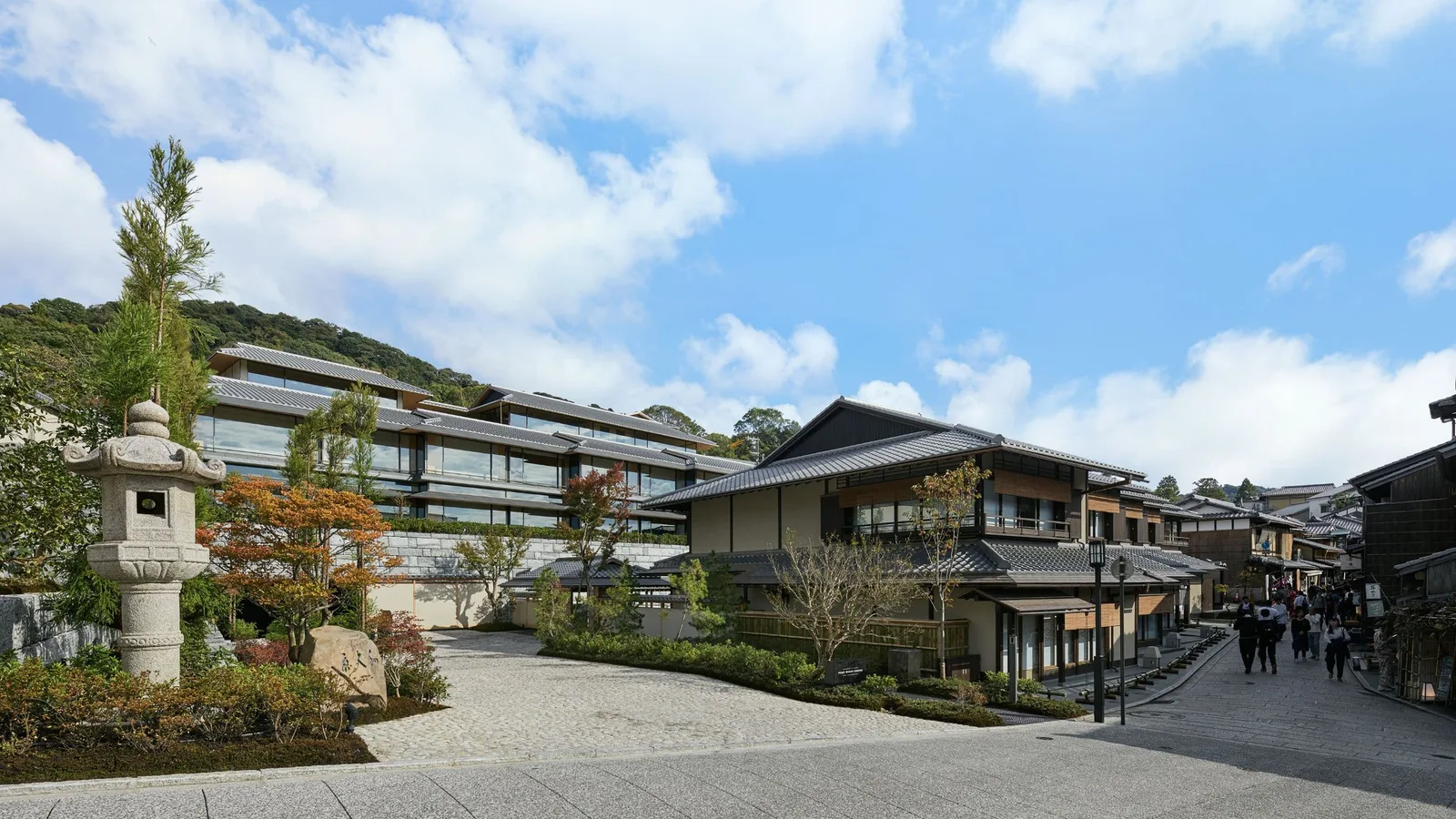
Tokyo, Hakone & Kyoto: a bearing for your own route.
06
Further journeys
 01
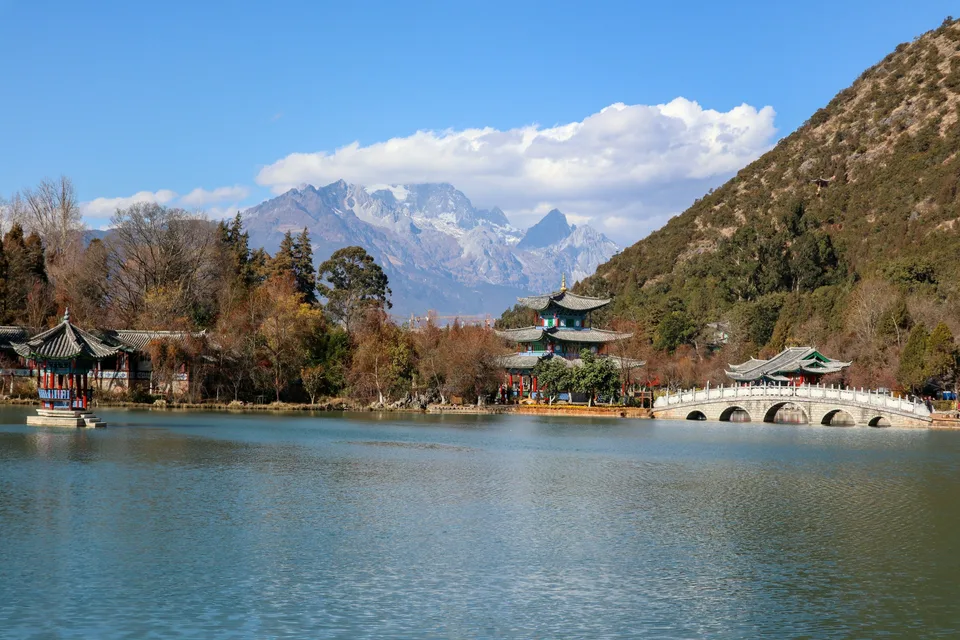
01Yunnan, on the Tea Horse Road
Dali, Shaxi & Lijiang · 10 days
Three old towns, one ancient caravan road and the lake light of Erhai.
 02
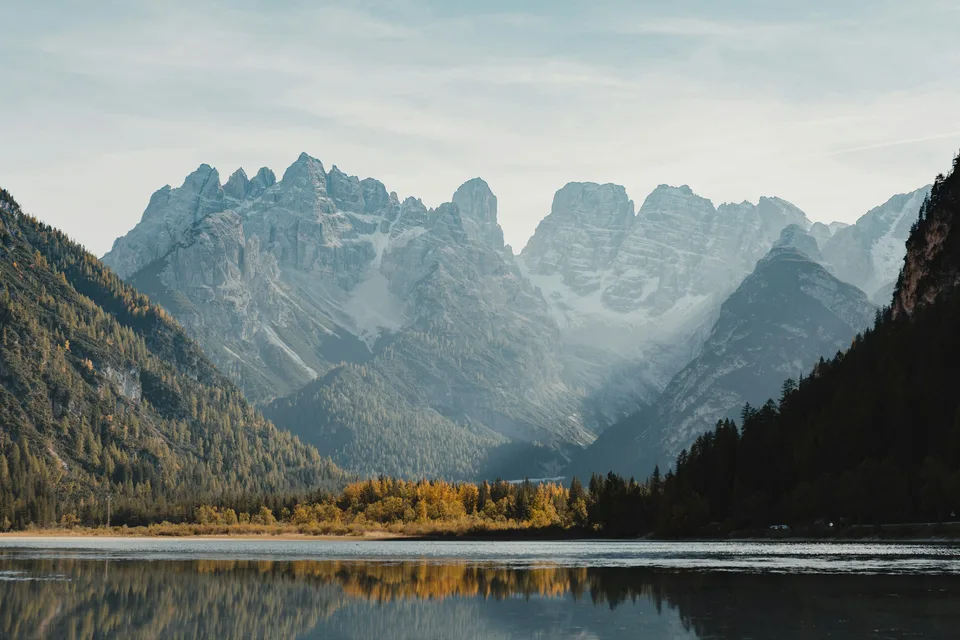
02Venice, then the Dolomites
Venice & the Italian Dolomites · 8 days
Three nights on the water, four at the tree line, one road between.
 03
03The medina and the mountain
Marrakech & the Atlas Mountains · 7 days
Three nights among the makers of Marrakech, three in the silence of the Atlas.
The route is yours to set.
One of the five routes, a chapter that caught your eye or a country you have long meant to see properly is enough to begin. The reply comes from an advisor, and a written proposal follows once the idea has taken shape.