01For travellers
Yunnan, beyond the postcard
Dali beside its lake, Shaxi’s old market square, Lijiang and the mountains behind it: ten days in Yunnan with a private guide and time to look properly.
- Category
- For travellers
- Published
022-minute read
Three settings, one road
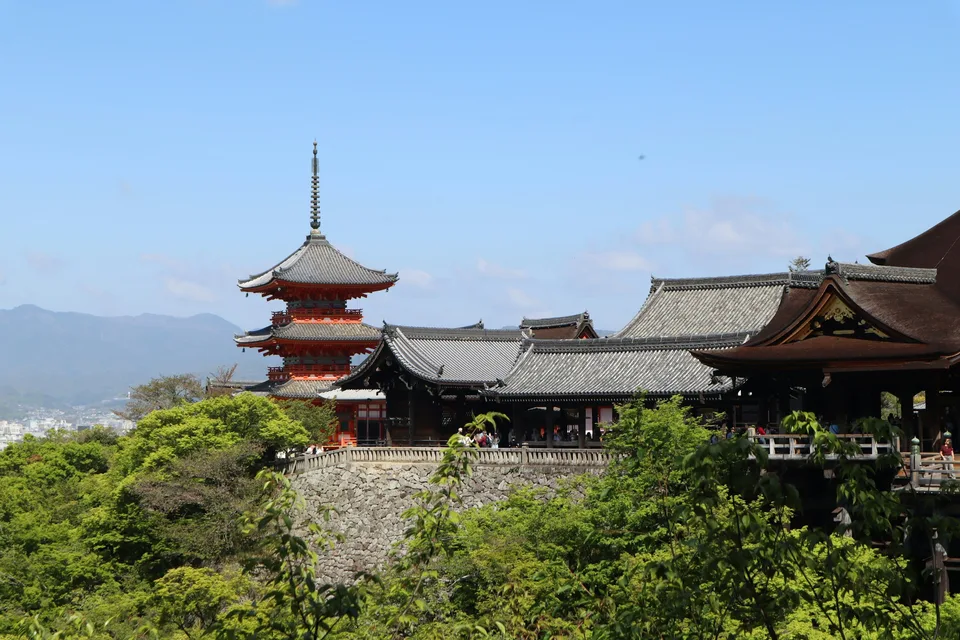
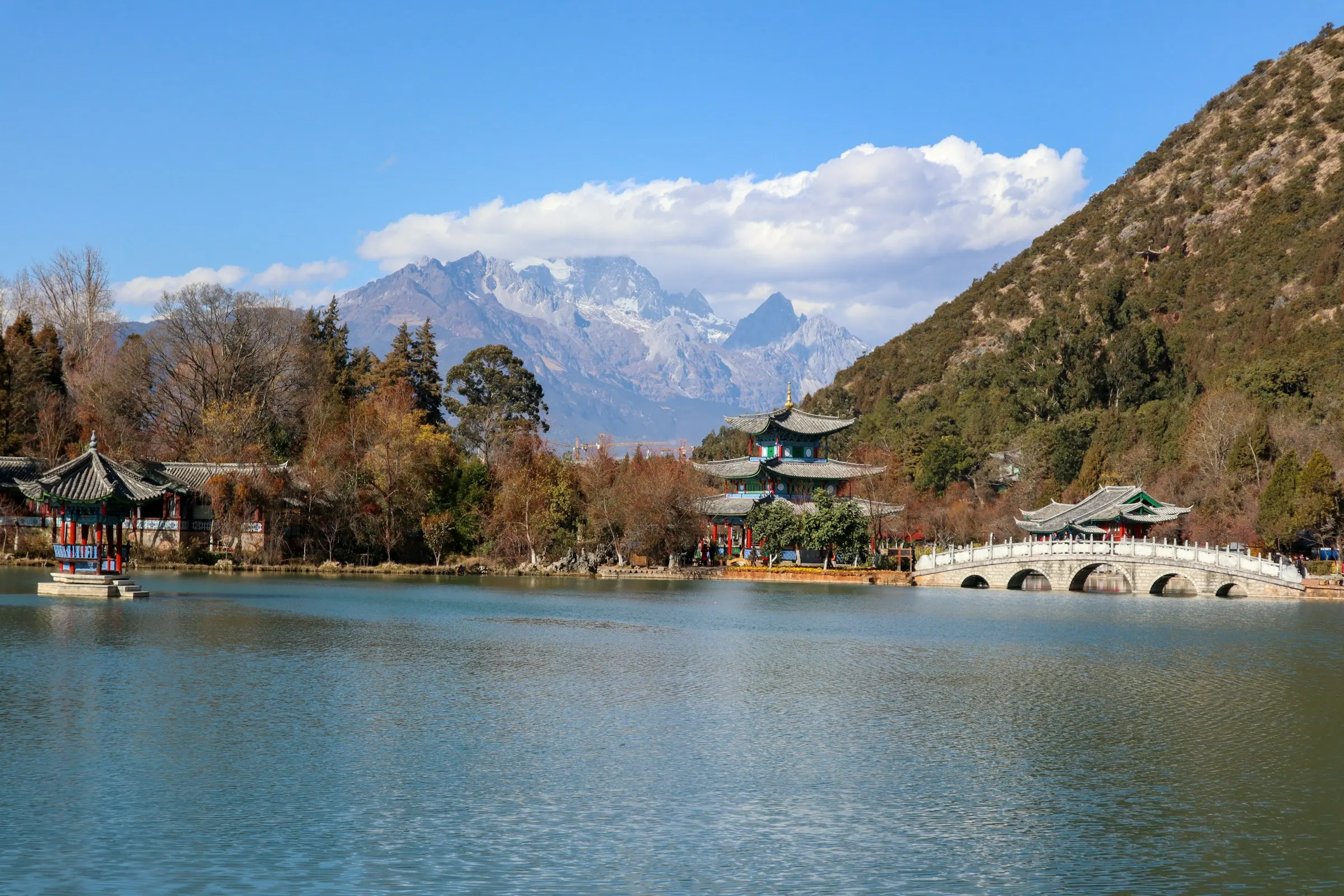
Yunnan is usually reduced to a single image, and the image is usually Lijiang. The province deserves a longer look. Our ten-day route runs from Dali, on the shore of Erhai, to the market town of Shaxi and on to Lijiang, and the point of travelling it in that order is that each place asks something different of you. Dali is for the lake and the villages along it, for mornings that begin in a market and end at a lunch chosen on the day. Shaxi is smaller and quieter, a caravan station on the tea and horse route from Yunnan to Tibet, and it is best understood on foot. Lijiang, whose old town has been on the World Heritage List since 1997, is the gateway to the landscape that rises behind it. Nothing is seen twice. Everything is seen properly.
A guide who follows your curiosity
The private guide is the instrument that turns a route into your route. Tell us what you would like to understand and the days arrange themselves around it. An interest in food shapes the morning market and the table chosen for lunch; an interest in architecture leads to a longer walk through courtyards and lanes; an interest in craft is a workshop appointment requested before you arrive. The guide’s task is not to recite but to answer, and to notice when something has caught your attention and give it another hour.
That is the difference between a tour and a journey of rare access. One follows a script written for everyone. The other follows you, and it can afford to, because there is no one else on the itinerary.
The mountain, on your terms
The landscape around Lijiang is the reason many people come, and it is also where the itinerary should be most honest. A village walk through the fields, a day given over to photography and a higher mountain excursion are three different propositions in altitude, effort and time, and the right one depends entirely on the person taking it. We discuss walking comfort and altitude early, before the route is fixed, and we choose the day with local guidance rather than a brochure.
The higher excursion is a separate decision, never a default. Some travellers want the view and the climb; others want the same mountain from a terrace with a pot of tea. Both are good days. What we will not do is put you on a mountain you did not ask for.
Ten days, weighted as you wish
The route gives Dali three nights, Shaxi two and Lijiang four, and that balance is an opening position rather than a rule. Give the lake another day if the mornings there suit you. Keep more afternoons free. Give a single interest, whether it is tea, craft or the camera, a guided day of its own. Accommodation, dining and the road days between are chosen as part of that conversation, not added afterwards.
The journey as published is an illustration of what the province can be at the right pace. Your written proposal confirms the dates, the addresses, the guide, the appointments and the price, and it is only then that the route becomes yours. Until that point it is an invitation, and a good one.